- September 17, 2026
- in BYSON CONSTRUCTION INC
- by Sali Mahmoodi
- 2055
- 0
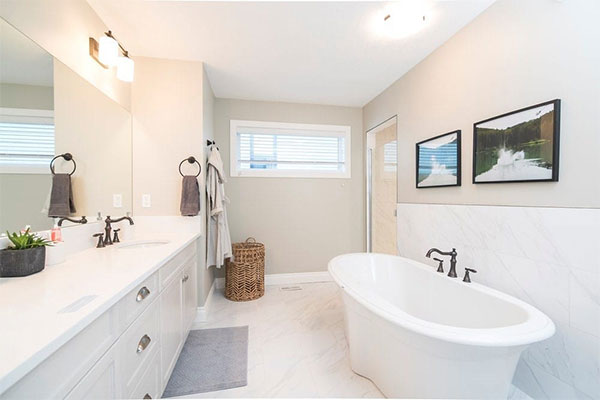
A new vanity and fresh tile make the biggest visual difference in a bathroom, but the most important parts of a remodel are the ones you can’t see: the pipes, the subfloor, and the waterproofing behind the walls. Bathrooms deal with water every day, and small leaks can go unnoticed for years. Before you choose finishes, it pays to know what’s underneath.
In older homes, supply lines and drains are often decades old. Galvanized steel pipes corrode from the inside, old fittings weaken, and drains can be partly blocked or poorly sloped. Once the walls and floor are open during a remodel, it’s the cheapest time to replace what needs replacing. Doing it later means tearing out new tile.
Today, most new water supply lines are PEX or copper, and drains are usually PVC or ABS. You don’t always need to replace everything. On a recent remodel in Downtown Sacramento, we replaced only the sections of old plumbing that were worn out and kept the parts still in good condition, which kept the budget under control.
Water damage usually hides behind tile, under the toilet, and around the tub or shower. Warning signs include:
On the same Downtown Sacramento project, we found hidden water damage in a couple of spots once the old finishes came off. Repairing it before building anything new is the only way to make sure the problem doesn’t come back under your brand-new floor.
Tile and other hard flooring need a solid, flat base. If the subfloor is damaged, uneven, or flexes when you walk on it, new tile can crack and grout can separate within months. On that project we repaired sections of the old subfloor and used self-leveling compound in a few low spots to create a flat surface for the new flooring.
Behind a shower’s tile there should be a proper waterproofing layer, because grout and tile alone are not waterproof. A bathroom also needs an exhaust fan that vents to the outside, not into the attic, to keep moisture from building up and causing mold.
Moving a toilet, shower, or sink means moving drains and supply lines, which adds cost. Sometimes it’s worth it, for example to fit a larger shower or a double vanity. Layout changes that move plumbing or electrical usually need a permit, so it’s best to plan them early.
Before choosing tile and fixtures, have a contractor look at what’s behind the walls and under the floor. A little discovery work up front gives you a realistic budget and fewer surprises once construction starts.
Planning a bathroom remodel in the Sacramento area? Request an estimate and we’ll help you plan the scope and next steps.


